Introduction
Creating a captivating landscape for your yard can be both an exciting and daunting task. The choice between hardscape and softscape elements is fundamental to the aesthetic and functional qualities of your outdoor space. This article delves into the intricacies of choosing hardscape vs softscape elements in your yard, helping you make informed decisions that align with your vision, lifestyle, and budget.
In this comprehensive guide, we will explore what hardscaping and softscaping entail, their benefits and drawbacks, how to blend both effectively, and common mistakes to avoid. Whether you're looking for "landscapers near me" or seeking DIY tips, this article aims to provide insights that empower you on your landscaping journey.
Understanding Hardscape Elements
What is Hardscaping?
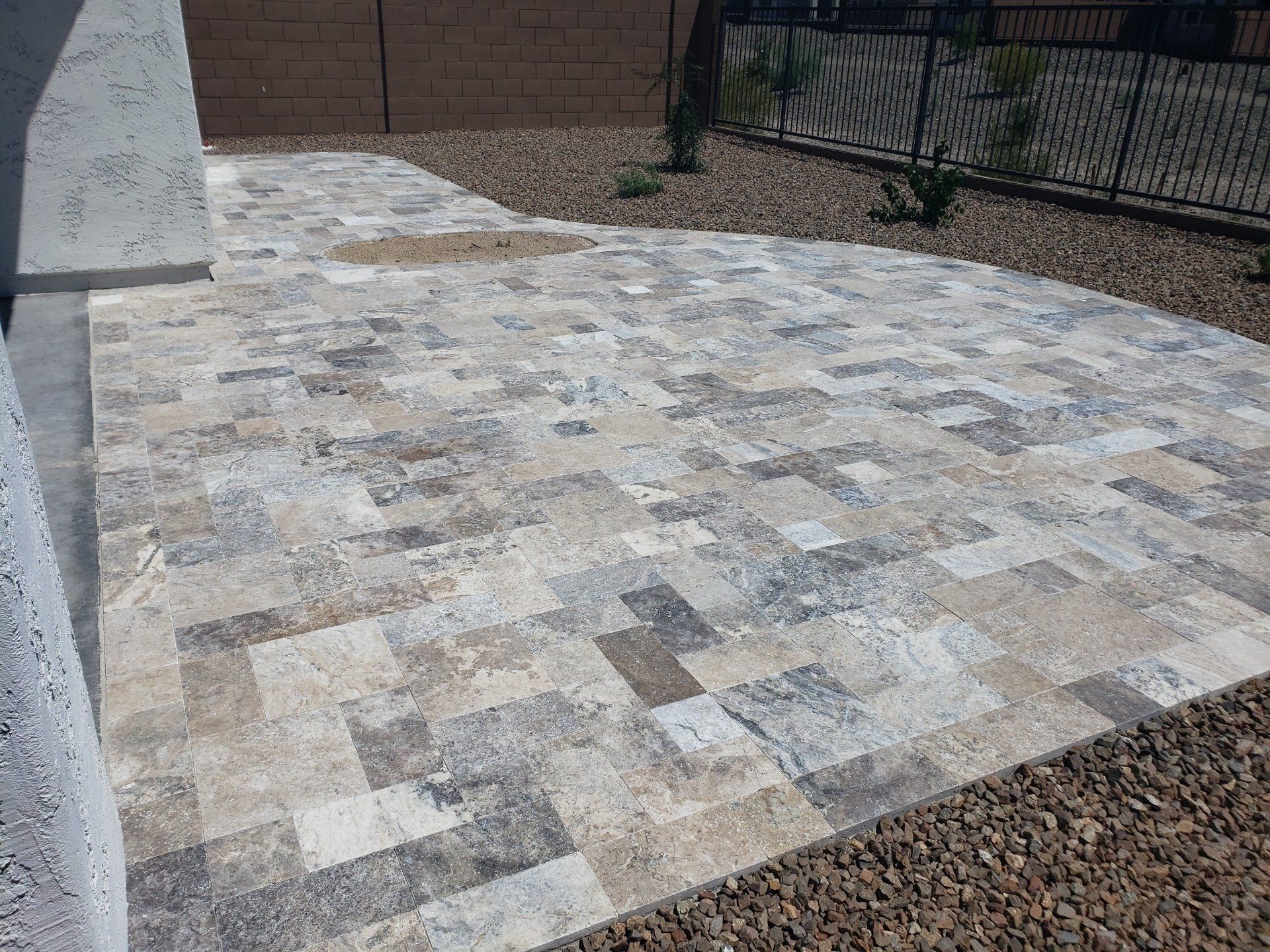
Hardscaping refers to the non-plant elements of landscaping. It encompasses structures made from hard materials like stone, concrete, wood, metal, or bricks. Examples include patios, walkways, retaining walls, decks, fences, and decorative stones.
Benefits of Hardscape Features
Durability: Hardscape elements are generally more durable than plants. They require minimal maintenance over time.
Versatility: With various materials available, hardscapes can be customized to fit any style—modern, rustic, Mediterranean, and more.
Functional Spaces: They create usable outdoor spaces for entertaining guests or simply relaxing.
Erosion Control: Retaining walls can help manage soil erosion while also adding visual interest.
Popular Hardscape Materials
- Pavers: Excellent for driveways and walkways. Natural Stone: Adds a sophisticated touch; great for patios. Concrete: Affordable and versatile; can mimic other materials. Wood: Often used for decks; offers a natural look but requires more maintenance.
Exploring Softscape Elements
What is Softscaping?
Softscaping involves all the plant-based components of landscaping—trees, shrubs, flowers, grasses—and landscapers near me even mulch or soil amendments that enhance plant health.
Benefits of Softscape Features
Aesthetic Appeal: Plants add color and life to your yard.
Environmental Benefits: They improve air quality and provide habitats for wildlife.
Temperature Regulation: Trees offer shade that cools down areas during hot months.
Seasonal Variety: Different plants bloom at various times of the year offering changing scenery throughout seasons.
Common Softscape Plants
- Perennials: Such as lavender or coneflowers for long-lasting beauty. Annuals: Like marigolds and petunias that provide vibrant seasonal color. Shrubs: Boxwoods or hydrangeas add structure. Trees: Maples or oaks provide shade and height.
Choosing Hardscape vs Softscape Elements in Your Yard
Deciding whether to prioritize hardscape or softscape features depends on multiple factors including climate conditions, personal preferences, intended use of the space, maintenance capabilities, budget constraints, and overall design aesthetics.
1. Assessing Your Needs
What do you want out of your outdoor space? Do you desire a tranquil garden retreat or an entertaining area with seating? Understanding how you plan to use your yard will guide your selection process.
2. Climate Considerations
Your local climate influences which plants will thrive (softscapes) versus which materials withstand weather patterns (hardscapes). Consulting with experts from companies like Blossom & Oak Landscaping can help in making informed choices based on regional characteristics.
3. Maintenance Requirements
How much time do you want to spend maintaining your yard? Hardscapes typically require less upkeep compared to softscapes which may need regular watering, pruning, fertilizing etc.
4. Budget Constraints
Hardscapes often require significant upfront investment due to material costs and installation labor while softcapes might incur ongoing expenses related to plant care over time.
Blending Hardscape and Softscape Effectively
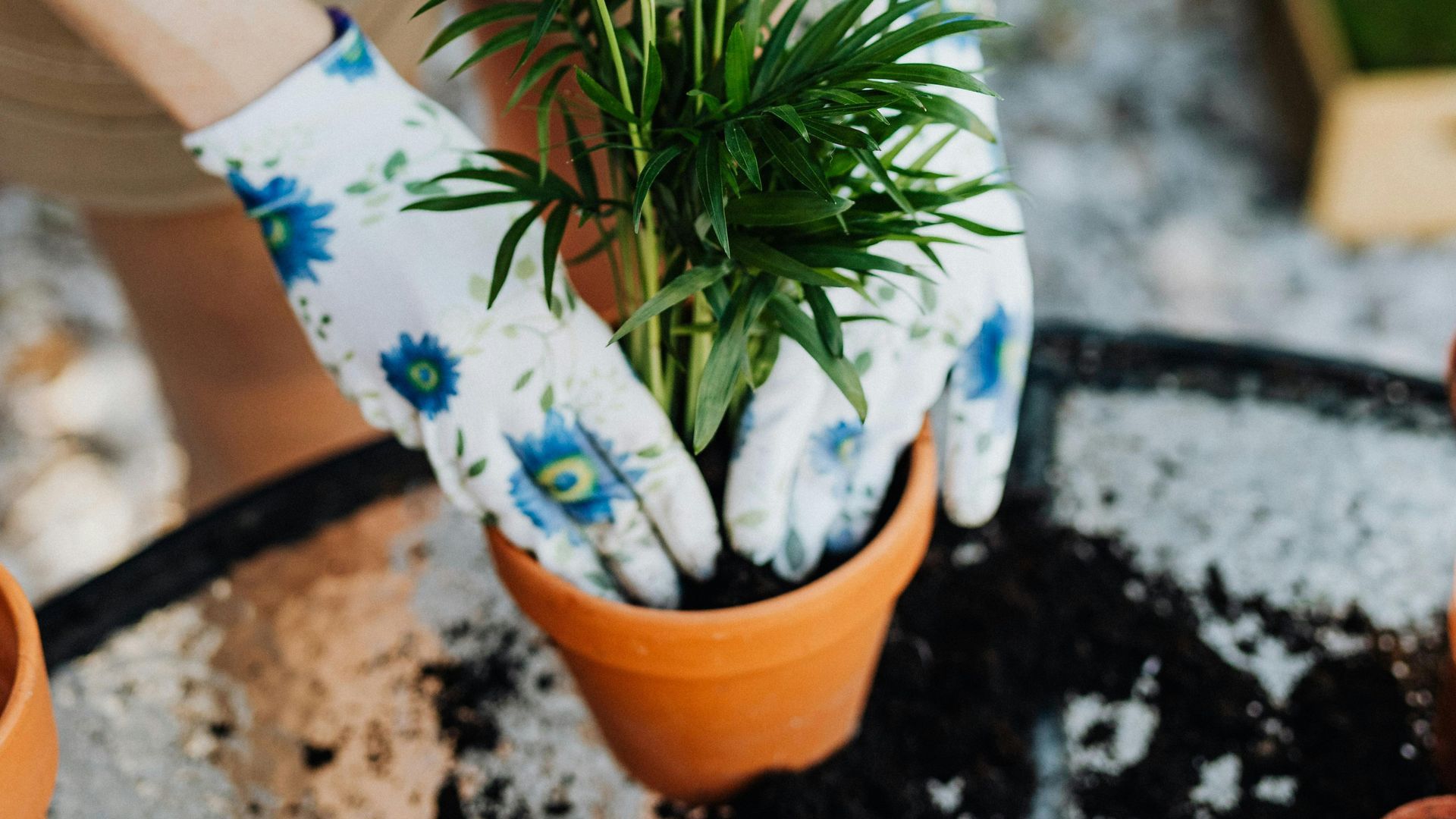
Creating a harmonious landscape often involves combining both hardcape and softcape elements in a complementary manner. Here are some tips:
1. Create Zones
Define specific areas within your yard using hardscaping features like pathways or walls that lead into lush gardens filled with soft landscapes—this creates clear transitions between different sections.
2. Use Color Schemes Wisely
Select colors for both hard surfaces (like pavers) that harmonize with plant colors; earthy tones often work well with greens while brighter hues can enliven neutral palettes.
3. Functional Balance
Ensure that each type serves its purpose without overshadowing the other; if hard surfaces dominate an area designate softer elements nearby as focal points through strategic planting placement around them!
Common Mistakes When Choosing Yard Elements
Avoid these pitfalls when planning your landscape:
Overcrowding Plants
Too many plants may create chaos rather than tranquility; balance is key!
Ignoring Drainage
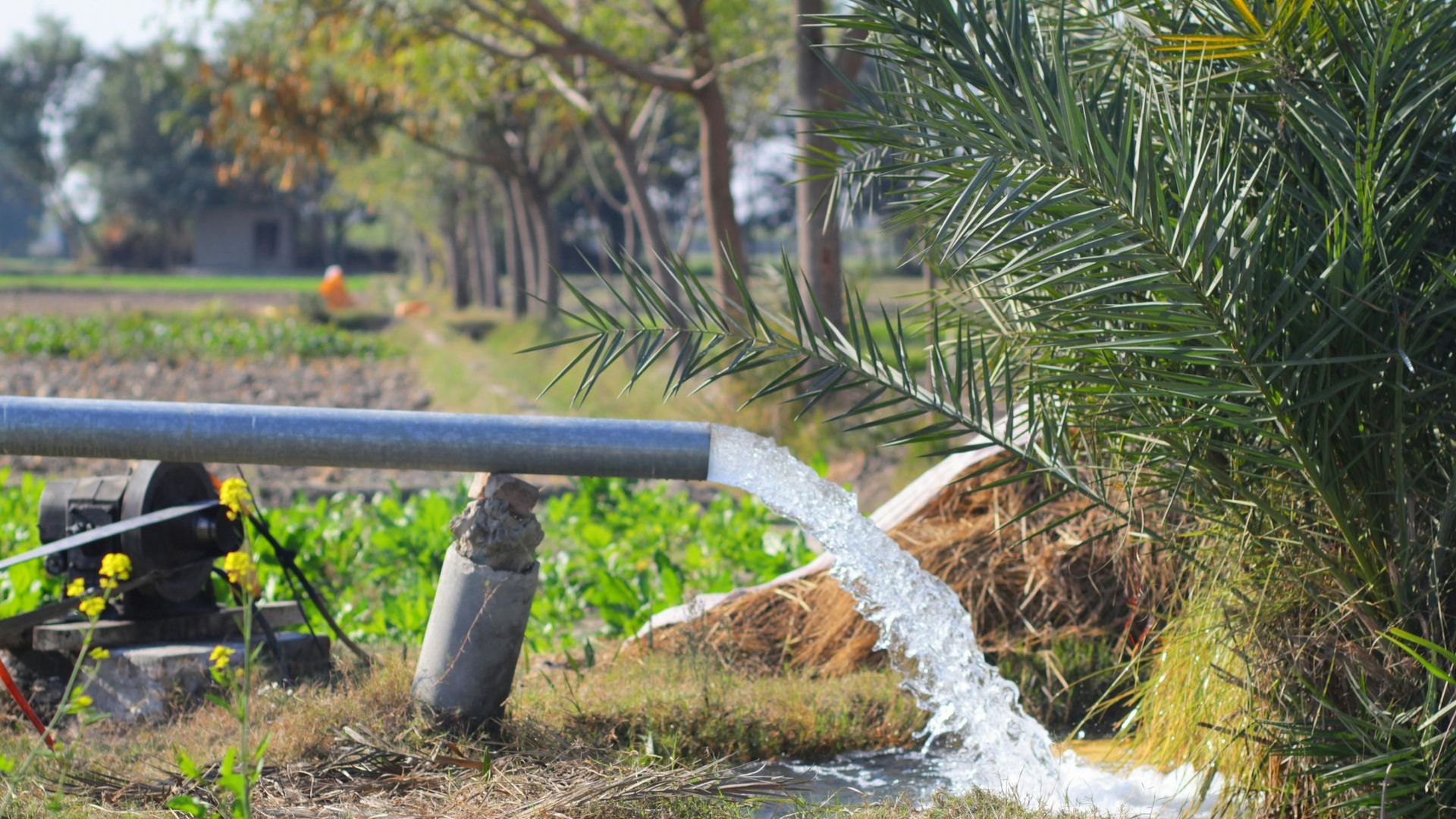
Failing to account for water runoff can lead to erosion issues over time which affects both types negatively!
Neglecting Seasonal Changes
Choose plants considering their seasonal beauty so something’s always appealing no matter when visitors arrive!
Skimping on Quality Materials
Investing in high-quality hard surface materials ensures longevity while cheap options may lead costly repairs down the line!
Underestimating Maintenance Needs
Be realistic about how much upkeep you're willing/able manage before selecting either aspect primarily…
FAQ Section
Q1: What should I consider first when landscaping my yard?
A1: Start by evaluating how you intend to utilize the space—whether it’s for entertainment purposes or relaxation—as this dictates the balance between hardcape versus softcape features needed!
Q2: How can I find reliable landscapers near me?
A2: Search online directories focusing on local businesses specializing in landscaping projects; check reviews/testimonials from previous clients before making a decision!
Q3: Are there eco-friendly options for both hardscape & softscape?
A3: Absolutely! Look into recycled materials for hardscapes (like reclaimed bricks) & native plants requiring less irrigation/maintenance within softer features—they’re better suited towards sustainable practices overall!
Q4: What’s more cost-effective in the long run—hardscaping or softscaping?
A4: It depends! While initial investments may be higher for stonework/etc., typically they require less frequent upkeep compared against ongoing sundries associated with maintaining living greenery year-round…
Q5: Can I mix styles between hard & soft landscapes?
A5: Definitely! Merging traditional brick paths alongside modern ornamental grasses provides dynamic contrast elevating overall visual interest while maintaining functionality simultaneously…
Q6 : Should I hire professionals like Blossom & Oak Landscaping?
A6 : If you're unsure about designing/installing yourself hiring seasoned experts ensures optimal results tailored specifically per each distinct project needs—saving headaches down road too!
Conclusion
Choosing landscapers near me in Queen Creek hardscape vs softscape elements in your yard ultimately comes down to personal preference combined with practical considerations like climate compatibility as well as intended use patterns over time! By understanding both aspects thoroughly while avoiding common pitfalls mentioned earlier along way—you’ll cultivate outdoor oasis truly reflects who YOU are aesthetically/functionally speaking! So whether browsing “landscapers near me” online resources seeking assistance from reputable firms like Blossom & Oak Landscaping remember balance plays crucial role achieving desired outcome successfully every single step along journey ahead… Happy landscaping!